Are you looking for the best oil and gas course in Kerala to build a career in the petroleum industry? The oil and gas sector offers career opportunities in petroleum operations, piping engineering, quality control, non-destructive testing (NDT), welding inspection, and industrial safety. For students and graduates in Kerala, professional oil and gas training can be a valuable step towards developing industry-specific skills.
Before enrolling, it is important to understand the oil and gas course fees in Kerala, course duration, eligibility criteria, certifications, and career opportunities. Choosing the right training programme can help you prepare for suitable technical and professional roles in India and the Gulf countries.
IMS Cochin offers oil and gas training programmes in Kochi, including petroleum operations and management, oil and gas engineering, mechanical QA/QC, and related technical specialisations. This guide explains the available training options and the factors to consider before choosing a course.
What Is an Oil and Gas Course?
An oil and gas course provides specialised training in the technical and operational aspects of the petroleum industry. Depending on the programme, students may learn about oilfield operations, refinery processes, piping and pipeline systems, welding inspection, quality control, safety procedures, and industrial documentation.
These programmes are suitable for students, diploma holders, engineering graduates, and individuals looking to develop skills relevant to the energy sector.
At IMS Cochin, students can explore training options such as:
- Diploma in Oil and Gas Engineering
- Professional Program in Petroleum Operations and Management
- Postgraduate Program in Petroleum Operations and Management
- Diploma in Mechanical QA/QC Engineering
- NDT and welding inspection training
Each programme has different learning objectives and entry requirements. Students should select a course based on their educational qualifications and intended career path.
Oil and Gas Course Fees in Kerala
The fees for oil and gas courses in Kerala vary according to the programme, training duration, practical sessions, examinations, and certifications included.
IMS Cochin’s published course pages provide programme information, but the exact current fees should be confirmed directly with the admissions team.
When comparing oil and gas course fees, consider the following:
- Total tuition fee and admission charges
- Examination and certification fees
- Practical training and laboratory facilities
- Study materials and industrial visits
- Placement assistance and career guidance
- Availability of instalment or EMI options
A course with practical training and relevant technical certifications may offer a different value proposition from a basic theoretical programme. Compare the syllabus and total cost before making your decision.
Oil and Gas Course Duration at IMS Cochin
Course duration depends on the specialisation and level of training. IMS Cochin publishes several programmes designed for different educational backgrounds.
1. Diploma in Oil and Gas Engineering
The Diploma in Oil and Gas Engineering at IMS Cochin is a six-month programme. The published curriculum covers piping and pipeline engineering, QA/QC inspection, NDT, refinery operations, and related technical subjects.
The programme is listed for candidates with qualifications such as Plus Two, ITI, or a diploma, subject to the institute’s admission requirements.
2. Professional Program in Petroleum Operations and Management
This six-month programme introduces students to petroleum operations and management. Topics include upstream and downstream operations, drilling, production, refinery processes, logistics, project management, safety, and environmental standards.
The programme may suit candidates seeking an introduction to petroleum industry operations and related career paths.
3. Postgraduate Program in Petroleum Operations and Management
IMS Cochin lists an advanced programme in petroleum operations and management for candidates with an engineering background. The published programme information describes specialised subjects related to petroleum engineering and operational strategies.
Prospective students should confirm the current duration, qualification requirements, certification, and programme structure with the institute before applying.
4. Diploma in Mechanical QA/QC Engineering
The Diploma in Mechanical QA/QC Engineering is listed as a three-month programme covering oil and gas fundamentals, welding and piping inspection, NDT, QA documentation, basic safety, and soft skills.
This option may suit candidates interested in quality control and inspection-related work, subject to the requirements of their target positions.
Eligibility for Oil and Gas Courses in Kerala
Eligibility requirements differ between programmes. Understanding them before admission can help you choose the most appropriate training option.
After Plus Two
Candidates who have completed Plus Two can explore suitable oil and gas diploma or professional programmes. Certain technical courses may have additional subject or qualification requirements.
After ITI or Diploma
Candidates with ITI or diploma qualifications can explore programmes relevant to their technical background. Mechanical, electrical, instrumentation, and other engineering-related disciplines may be useful for specific technical career paths.
After BTech or BE
Engineering graduates can consider specialised programmes in petroleum operations, QA/QC, piping engineering, and related technical fields. Some postgraduate programmes require an engineering degree or a particular branch of engineering.
For Working Professionals
Professionals already employed in industrial, manufacturing, construction, or maintenance sectors may pursue additional training to develop specialised knowledge or improve their career prospects.
Important: Course eligibility does not automatically mean eligibility for every job in the industry. Employers may require specific engineering qualifications, practical experience, safety training, or recognised inspection certifications.
Career Opportunities After an Oil and Gas Course
Completing relevant oil and gas training can help candidates develop skills for different roles in the petroleum and industrial sectors. The positions available depend on the candidate’s qualifications, technical competence, certifications, and experience.
1. QA/QC Inspector
QA/QC inspectors help ensure that materials, welding, piping, and fabrication activities comply with project specifications and applicable quality standards. Relevant technical qualifications and inspection experience may be required.
2. NDT Technician
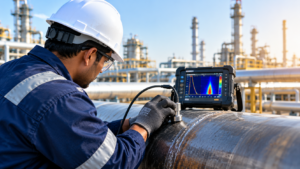
NDT technicians inspect materials and industrial components for defects without damaging them. Depending on the inspection method and employer, candidates may need specialised training, examinations, and appropriate certification.
3. Piping Inspector or Piping Technician
Piping professionals support inspection, installation, maintenance, and documentation of piping systems used in refineries, industrial plants, and energy facilities. Requirements vary by position.
4. Welding Inspector
Welding inspection professionals assess welding quality, identify defects, review documentation, and help ensure compliance with project requirements. Some positions require recognised welding inspection qualifications and relevant experience.
5. Oil and Gas Operations Technician
Operations technicians support activities involving industrial equipment, production facilities, maintenance, and plant operations. Employers may require a relevant technical qualification and practical experience.
6. Refinery and Process Operations Roles
Candidates with appropriate technical backgrounds may explore roles supporting refinery and process plant operations. The eligibility requirements vary according to the position and employer.
Oil and Gas Job Opportunities in Kerala and the Gulf
Many candidates from Kerala consider oil and gas careers in the UAE, Saudi Arabia, Qatar, Oman, and other Gulf countries. These markets have employers involved in petroleum operations, engineering projects, inspection, maintenance, and industrial services.
Potential employment sectors include:
- Oilfield service companies
- Refineries and petrochemical facilities
- Engineering, procurement and construction companies
- Welding inspection and NDT service providers
- Pipeline installation and maintenance contractors
- Industrial quality control departments
- Plant maintenance and technical services
IMS Cochin provides oil and gas-related training in Kochi for students exploring industry careers.
However, Gulf employment depends on job availability, employer requirements, qualifications, experience, and relevant certifications. Completing a course does not guarantee overseas employment.
Why Choose IMS Cochin for Oil and Gas Training?
IMS Cochin offers specialised oil and gas training programmes designed to help students develop technical knowledge and professional skills.
When evaluating the institute, prospective students can consider the following programme features:
Industry-focused curriculum: Explore subjects related to petroleum operations, piping and pipelines, QA/QC, NDT, and industrial safety, depending on the course selected.
Practical learning: Review the practical sessions, laboratory exposure, and other training activities included in the chosen programme.
Professional development: Some programmes incorporate soft skills and employability training to help students prepare for workplace expectations.
Course options for different qualifications: The institute lists programmes for candidates with different educational backgrounds, although the eligibility criteria vary by course.
Career guidance: Ask the admissions team about placement assistance, recruitment opportunities, interview preparation, and the support provided after training.
To learn more about available courses and admissions, visit the official website of IMS Cochin:
How to Select the Best Oil and Gas Course in Kerala
Choosing a suitable programme involves more than comparing course fees. Consider these factors before making your final decision.
- Check eligibility: Ensure your current educational qualification meets the entry requirements.
- Compare course duration: Select a programme that fits your learning goals and schedule.
- Review the syllabus: Look for subjects relevant to your intended job role.
- Verify certifications: Confirm the issuing organisation and the certification requirements for any advertised qualification.
- Ask about practical training: Understand the laboratory sessions, equipment demonstrations, and industrial exposure provided.
- Confirm placement support: Ask for details about recruitment assistance and actual placement outcomes.
- Request the complete fee structure: Check tuition, examination charges, certification fees, and other expenses.
Researching these details can help you choose training that aligns with your long-term career goals.
Frequently Asked Questions
1. What is the fee for an oil and gas course in Kerala?
Oil and gas course fees vary according to the institute, course duration, specialisation, and certifications included. Contact IMS Cochin for the latest programme-specific fees and payment options.
2. What is the duration of an oil and gas course at IMS Cochin?
The published Diploma in Oil and Gas Engineering and Professional Program in Petroleum Operations and Management are six-month programmes. The Diploma in Mechanical QA/QC Engineering is listed as a three-month programme. Confirm current batch details with the institute.
3. Can I join an oil and gas course after Plus Two?
Yes, certain programmes at IMS Cochin list entry routes for candidates with Plus Two qualifications. Eligibility depends on the selected course and its admission requirements.
4. Which oil and gas course is suitable for mechanical engineering graduates?
Mechanical engineering graduates may consider oil and gas engineering, petroleum operations, piping engineering, and mechanical QA/QC programmes. The most appropriate option depends on the candidate’s career interests and the requirements of target employers.
5. Are oil and gas courses useful for Gulf jobs?
Relevant training can help candidates develop industry-specific skills. However, overseas employment depends on qualifications, experience, certifications, vacancies, and employer selection criteria.
6. Can freshers apply for oil and gas training?
Yes, several training programmes are intended for students and fresh graduates who meet the relevant eligibility criteria. Practical skills and suitable qualifications can help candidates prepare for entry-level opportunities.
7. Does IMS Cochin provide placement assistance?
IMS Cochin promotes placement support for its training programmes. Contact the institute to confirm the specific support available for your selected course and ask about eligibility conditions and recent placement outcomes.
Conclusion
Choosing the right oil and gas course in Kerala can be an important step towards building a career in petroleum operations, quality control, piping inspection, NDT, and related industrial fields.
Before enrolling, compare the course fees, duration, eligibility requirements, curriculum, practical training, and certification details. If you are planning to pursue an oil and gas career in India or the Gulf, selecting a programme that matches your educational background and intended job role is essential.
Explore the oil and gas training programmes offered by IMS Cochin and contact the admissions team for current fees, upcoming batches, and course-specific eligibility information.